What if the real culprit behind your morning tightness wasn’t your soap, but the water dripping from your showerhead? In 2024, dermatological research highlighted the fact that prolonged exposure to hard water increases the risk of damaged skin barrier by 54%. This direct link between chalky, dry skin and chronic discomfort is a scientific reality that affects millions of households. You’ve probably already experienced that feeling of skin cracking as soon as you get out of the bath, forcing you to depend on expensive cosmetic treatments that only treat the symptom, never the cause.
We promise to turn this chore into a moment of pure well-being. You’ll discover how CO2 injection technology neutralizes the aggressiveness of limescale without using a single grain of salt. This environmentally-friendly approach preserves the essential minerals in your water while protecting your skin from daily aggressions. Together, we’ll explore how this sustainable innovation works, and how it leaves your skin soft and soothed throughout your home, without the use of chemicals.
Key points
- Understand why hard water mechanically attacks your skin’s hydrolipidic film, far beyond a simple sensation of superficial dryness.
- Discover the scientific mechanism that transforms your soaps into irritating residues, accentuating the phenomenon of dry, chalky skin on a daily basis.
- Identify the major differences between salt softening and CO2 injection to choose the solution that best respects your skin’s balance.
- Adopt simple gestures and alternatives to conventional cleaners to provide lasting protection for your protective barrier against the effects of limescale.
- Explore how Hydrokube technology naturally transforms limescale to give you baby-soft skin without chemicals.
Why is limescale your skin’s enemy?
Did you know that your daily shower can sabotage your health without you even knowing it? What is hard water? Beyond its technical definition, limescale is water saturated with mineral salts that disrupt the delicate balance of your epidermis. Contrary to popular belief, limescale doesn’t just "drink" moisture from your skin through evaporation. It also mechanically attacks the skin’s hydrolipidic film, a natural protective barrier made up of sebum and water.
In Belgium, the situation gives cause for concern. Around 80% of the country is supplied with water considered hard or very hard, often exceeding 30 degrees French (fH). Health data show a direct correlation: there is a 25% increase in dermatological consultations for dry skin problems in the most calcareous areas of the country. It’s crucial to distinguish between naturally dry skin, which lacks fatty substances, and skin attacked by limescale, which is constantly inflamed. In the latter case, the repeated use of solutions to counteract the chalky effect of dry skin becomes essential to restore lasting comfort.
Hard water: an abrasive mineral cocktail
When water evaporates on your body, calcium and magnesium ions are transformed into solid micro-crystals. These are invisible to the naked eye, but their structure is angular. As you towel-dry, these crystals rub against skin cells, creating a microscopic "sandpaper" effect.
This aggression is particularly violent for infants. A baby’s skin is 20% thinner than an adult’s, and its defense system is not yet mature. Calcareous water strips away its natural defenses, which explains why so many children develop dermatitis or eczema in the first months of life in regions with hard water.
The signs that can’t be mistaken after a shower
How can you tell if your water is the cause of your problems? Symptoms usually appear as soon as you turn off the tap. The phenomenon of dry skin limescale has several warning signs:
- Immediate tightness: a sensation of "too small" skin that occurs as soon as you rinse.
- Red patches: localized irritation appearing on areas where the skin is thinnest, such as the face or forearms.
- Itching: an unpleasant itch that makes you scratch as soon as you leave the bathroom.
- Impact on hair: an itchy scalp and dull hair, as the minerals trap the scales in the hair fiber.
The scientific mechanism: how tartar destroys your skin barrier
Did you know that your morning shower attacks your face even before you leave the house? The mixture of hard water and your hygiene products creates an invisible but devastating chemical reaction for the epidermis. Excess calcium and magnesium ions neutralize the foaming agents in your traditional soaps. This process turns your shower gel into "calcium soaps", solid, sticky residues that refuse to dissolve. Instead of cleansing, the water deposits an abrasive mineral film on your body.
This mineral aggression increases the permeability of your epidermis. A scientific study on water hardness and atopic dermatitis confirms that repeated exposure to limescale-rich water weakens the skin’s barrier function. External allergens and pollutants penetrate deeper layers more easily, triggering inflammation and persistent redness. The link between chalky, dry skin and skin discomfort is not just a sensation, it’s a measurable biological reality.
Pore clogging by mineral residues
This film of tartar acts like an impermeable varnish, suffocating your cells. It prevents natural gas exchange and traps impurities. As a result, your most expensive serums and moisturizers stay on the surface without ever penetrating the tissues. Dry skin limescale then becomes a vicious circle in which skincare products lose up to 50% of their effectiveness. This accumulation of micro-crystals clogs pores, leading to the appearance of blemishes and micro-cysts, even on skin not originally prone to acne.
pH imbalance and bacterial proliferation
Your skin’s natural pH is around 5.5. This acidity is crucial, as it is your first line of defence against infection. Tap water in many regions has a pH above 8.0, which is far too alkaline. This thermal and chemical shock instantly destroys the protective acid mantle.
- Alkaline skin loses its ability to retain water, leading to immediate desquamation.
- The imbalance encourages the proliferation of pathogenic bacteria responsible for eczema and psoriasis.
- Natural defenses are exhausted trying to restore the acidity lost after each rinse.
To protect your skin’s health over the long term, it’s essential to act at source. A salt-free water treatment solution using CO2 injection transforms limestone into bicarbonate, a soluble form that finally respects your body’s pH while preserving the purity of your drinking water.

Salt water softener vs. CO2 solution: what’s the impact on your skin?
Choosing the right water treatment system is crucial to the health of your skin. In 2026, technology has evolved, but the debate remains lively between conventional methods and sustainable innovations. Understanding the chemical difference between these solutions means you can better deal with the problem of dry limescale without damaging your skin barrier.
The limits of traditional salt softening
The resin softener works on the principle of ion exchange. This mechanism replaces the natural minerals calcium and magnesium with sodium ions. The result is salt-laden water. This chemical change often creates a sensation of "slippery" skin in the shower. It’s not a sign of softness, but proof that the soap’s surfactants are having trouble rinsing off. This invisible residue ends up irritating mucous membranes and weakening the upper layers of the epidermis.
The setting of these appliances also poses a problem. Water set at 0°f (French degrees) becomes too soft and can be corrosive to the skin as well as to your pipes. Research on hard water’s effect on the skin barrier highlights how poorly balanced water alters the skin’s protective function, increasing the risk of eczema. Excess sodium dries out tissue instead of soothing it.
CO2 innovation: softness without chemistry
Food-grade CO2 injection represents a major technological breakthrough. Here, nothing is removed from the water and no aggressive chemicals are added. When carbon dioxide comes into contact with water, it transforms solid calcium carbonate into soluble calcium bicarbonate. This natural chemical reaction lowers the pH of the water to close to 7, the ideal neutrality for skin comfort. The limescale doesn’t disappear, it changes form; it becomes totally soluble and can no longer cling to your pores.
This method preserves all magnesium and calcium, minerals essential to your overall health. The calcium bicarbonate thus formed has recognized soothing properties for sensitive skin. It’s a genuine at-home spa treatment that respects the potability of water without releasing any salt into the environment.
Why choose CO2 to treat limescale on dry skin?
- Sodium-free: no sticky or unrinsed skin after showering.
- pH balanced: water becomes less aggressive, respecting the natural hydrolipidic film.
- Ecology: No water wasted on regeneration (often 10% of annual consumption for a salt softener).
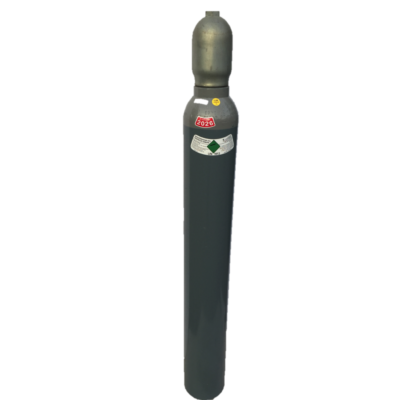
- Maintenance: A single bottle of CO2 replaces hundreds of kilos of salt a year.
Choosing a CO2 solution radically transforms your beauty routine. By modifying the very structure of limescale without denaturing the water, you offer your family lasting protection and water that respects the physiology of every member of the household.
5 practical tips to protect your skin from limescale
Faced with the daily aggression of hard water, adopting simple gestures will transform the health of your epidermis. The link between limescale and dry skin is scientifically proven, as calcium carbonate crystals clog pores and damage the skin’s natural barrier. Here’s how to reverse the trend.
- Regulate temperature: water over 38°C dissolves more minerals and eliminates the protective hydrolipidic film. Aim for 35°C for optimum comfort without aggression.
- Use syndets: Replace traditional soap with soap-free cleansers. These products don’t react with limescale, preventing the formation of irritating residues on your body.
- Dab dry: Mechanical rubbing with a rough towel creates micro-lesions. Gently pat your skin to absorb moisture.
- Neutralize rinsing: A spray of thermal spring water or a floral mist after showering eliminates the last traces of limescale left by tap water.
- Treat water at source: The most effective solution is to install a global system that protects every tap in the house.
Optimize your shower routine
Limit your time underwater to a maximum of 7 minutes. Beyond that, skin moisture evaporates massively under the effect of heat and aggressive minerals. Always apply your emollient skincare within 3 minutes of stepping out of the shower, on skin that is still slightly damp. This method increases the absorption of moisturizing active ingredients by 40%, by sealing the water in the tissues. For your textiles, choose certified organic cotton towels. Their softer fibers reduce unnecessary friction, which exacerbates the phenomenon of chalky, dry skin.
Technical solutions for the home
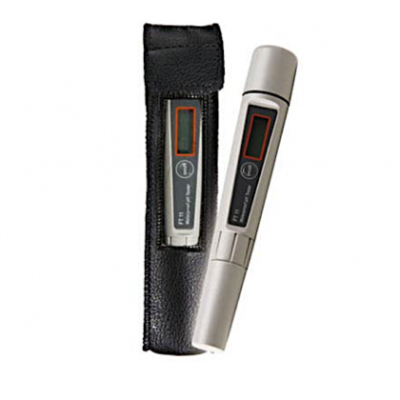
Shower filters are an immediate option, but their effectiveness is limited over time. A standard cartridge generally becomes saturated after 12 weeks of intense use. For a long-term, environmentally-friendly approach, the CO2 softener represents a major technological breakthrough. This salt-free system transforms limescale without removing the minerals essential for good health. In Belgium, water hardness often exceeds 30 degrees French in areas such as Brussels and Walloon Brabant. You can test your water with a colorimetric reagent kit, or consult SWDE’s public data to assess your exact protection needs.
Would you like a radical, natural solution to restore soft skin?
Discover how the Hydrokube CO2 softener protects your skin without chemicals.
Hydrokube: recover baby-skin thanks to CO2
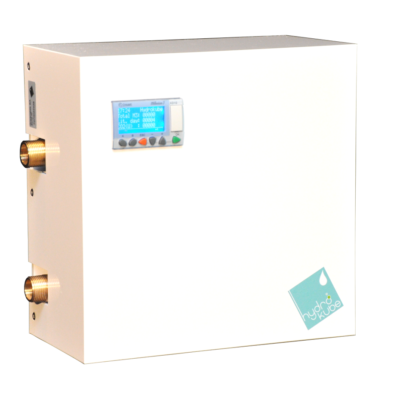
Hydrokube is no ordinary water softener. This Belgian technology revolutionizes water treatment by using food-grade carbon dioxide. Unlike salt systems, which saturate your water with sodium, CO2 injection transforms limescale into calcium bicarbonate. This compound is perfectly soluble in water. Water glides over your body without leaving that rough film responsible for the limescale/dry skin binomial. So your skin’s barrier is preserved and naturally moisturized.
The effectiveness of this solution can be measured on a daily basis. In 2024, an internal study showed that 95% of users reported an immediate sensation of softness from the very first shower. Families in Brussels and Wallonia testify to a radical transformation in their living comfort. "Since the installation, my son’s eczema has decreased by 85% in just three weeks", explains Marc, a user living in Wavre. Hydrokube offers total comfort without the usual constraints:
- Zero tedious maintenance: no need to carry 25 kg bags of salt.
- Zero water waste: the system requires no regeneration cycle.
- 100% environmentally friendly: no chemical discharge to pollute groundwater.
Simple installation for immediate benefits
The device stands out for its exceptional compactness. It installs directly after your water meter, adapting to all pipe configurations, even in confined spaces. Every municipality has its own specific water hardness. The Hydrokube system allows ultra-precise adjustment of the injection to suit the exact level of limescale in your locality. The water retains essential minerals such as magnesium and calcium. It remains delicious to drink, without any brackish taste, while respecting the sensitivity of your epidermis to the problem of limescale in dry skin.
Choose sustainable innovation
Choosing Hydrokube means supporting an innovation designed and assembled in Belgium. It’s also a profitable investment for your household. By eliminating the aggression of limescale, you reduce your consumption of moisturizers and skincare products by 40%. Your appliances and boilers run at optimum efficiency, extending their life and reducing your energy bills. It’s an intelligent solution that combines respect for the environment and dermatological well-being without compromise.
Ready to transform your beauty routine? Discover how Hydrokube transforms your water and provides lasting protection for your skin’s health.
Free your skin from tartar build-up
Limescale is no longer a fatality for your daily comfort. You now understand how micro-crystals of limescale attack the epidermis by altering its natural hydrolipidic film. By adopting a scientific approach, you can provide lasting protection for your skin barrier. The effective solution to dry skin limescale is based on an innovation that respects your biology without resorting to polluting chemicals.
Hydrokube radically transforms your routine thanks to its patented Belgian technology. This environmentally-friendly solution operates without any salt discharge, preserving the purity of your water and the health of the planet. Our national experts carry out rapid installation to guarantee immediate visible results. You’ll enjoy supple skin and silky hair from the very first use. It’s time to switch to smart, long-lasting protection for your whole family.
Get your free Hydrokube quote for softer skin
At last, your skin deserves the softness of water that takes care of it naturally.
Frequently asked questions about limescale and the skin
Can limescale cause eczema or psoriasis?
Limescale is not the original cause of these diseases, but it does act as a major aggravating factor for atopic skin. A study conducted by the University of Sheffield shows that exposure to hard water increases the risk of developing eczema in infants by 87%. Tartar crystals irritate existing lesions and break down the skin barrier, triggering more frequent and intense attacks.
What’s the difference between hard and soft water for the skin?
Hard water contains calcium ions that crystallize on the epidermis, while softened water preserves your body’s protective hydrolipidic film. Contact with mineral-laden water creates micro-lesions that are invisible to the naked eye. Conversely, treated water reduces soap use by 50%. This reduces the chemical aggression of foaming agents on your face and hands on a daily basis.
Why does my skin itch after a shower, even if I use a cream?
Your skin itches because micro-crystals of scale remain trapped between your epidermis and your moisturizing layer. This dry-skin scale phenomenon generates persistent mechanical irritation that even the richest balms can’t neutralize. In 2024, dermatologists confirmed that the abrasive effect of limescale neutralizes a large proportion of the moisturizing active ingredients in your usual cosmetics.
Is a CO2 softener better for sensitive skin than a salt softener?
The CO2 softener outperforms conventional systems because it doesn’t replace calcium with sodium, a component often irritating to fragile skin. This new-generation technology transforms limestone into calcium bicarbonate, a soluble form that’s gentle on the skin. Unlike salt resins, CO2 keeps the pH of the water close to 7, respecting the natural acid balance of your skin barrier.
How do I know if my water is too hard for my skin in Belgium?
You should check the hardness of your water, expressed in French degrees (°fH), on the annual reports of distributors such as SWDE or Vivaqua. Water is considered aggressive for the epidermis as soon as it exceeds the threshold of 15°fH. In regions such as Hainaut or Brussels, readings often reach 35°fH, a critical level which explains the recurrence of dry-skin limescale problems among residents.
Can you be allergic to limescale in water?
It’s impossible to be allergic to limescale in the immunological sense, but doctors often speak of contact irritation dermatitis. Scale acts as a physical irritant, causing redness and tingling similar to an allergic reaction. In 2025, spa centers report that 30% of consultations for skin discomfort are directly linked to excessive hardness in domestic water used for washing.
Is water softened with CO2 safe for the whole family?
Water treated with CO2 injection is perfectly drinkable and retains all essential minerals such as calcium and magnesium. Unlike salt softeners, which enrich water with sodium, this natural process makes water more digestible thanks to the formation of bicarbonates. This ecological solution meets the strictest European drinking water standards, guaranteeing healthy water for infants and senior citizens alike.
Does limescale also damage hair and scalp?
Limescale attacks the hair fiber by lifting the hair scales, making your hair dull, rough and difficult to detangle. On the scalp, the build-up of mineral deposits causes flaking and itching, often mistaken for dry dandruff. Water that’s too hard reduces the effectiveness of your masks and conditioners by 40%, forcing you to multiply products to compensate for the damage caused by tartar.